


Why Independent, Non-Local Auditors Are Critical for Hotel Audits in the UAE
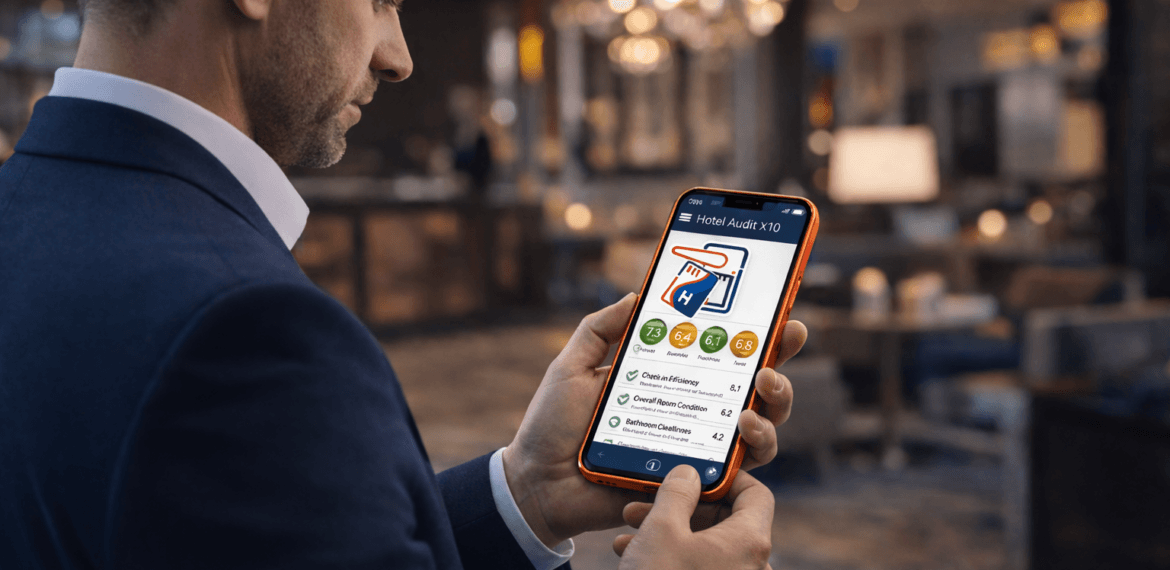
In such an environment, the question of who conducts the hotel audit becomes just as important as the audit itself.

In such an environment, the question of who conducts the hotel audit becomes just as important as the audit itself.
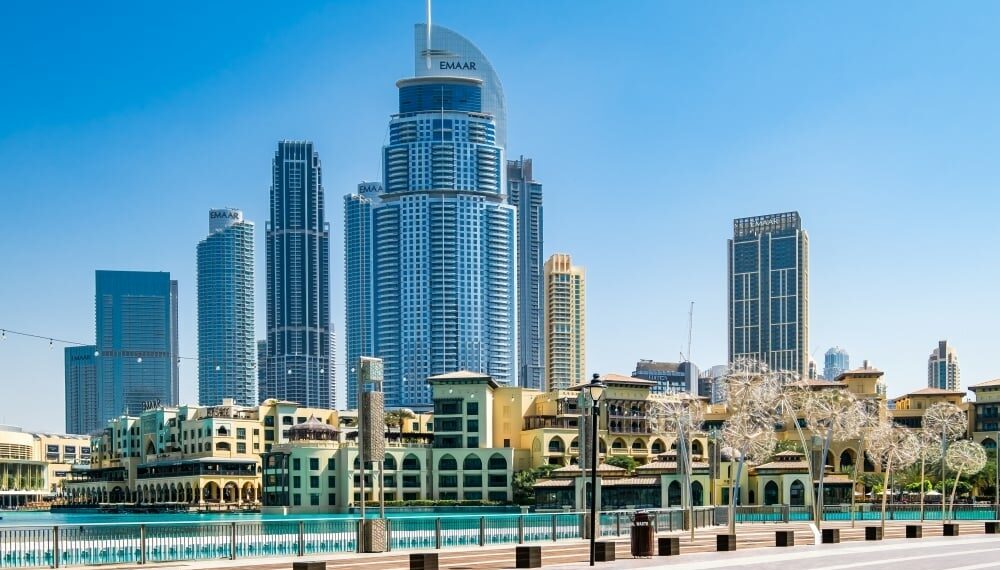
By 2025, Dubai has become one of the most internationalized labor markets in global hospitality — not as a trend, but as a structural necessity.
Hotel Audit X10 Experience was developed precisely for this reason. Not as just another audit tool, but as an audit engine. Within this system, AI and LLM models are not add-ons or “tech decoration” — they are core components that accelerate data processing, standardize scoring, and elevate report quality to a level that, until recently, was achievable only by large hotel groups with internal QA and corporate audit teams.

The opening of a hotel is often perceived as the completion of a project. In reality, it marks the beginning of the most expensive and highest-risk phase of the business. According to Big Four pre-opening project analyses across Europe and the Middle East, between 18 and 25 percent of total operational losses during the first two years stem directly from decisions made before the hotel welcomes its first guest. This is precisely the phase addressed by Hotel Audit X10 – not as a control mechanism, but as a tool for preventing financial and operational mistakes.
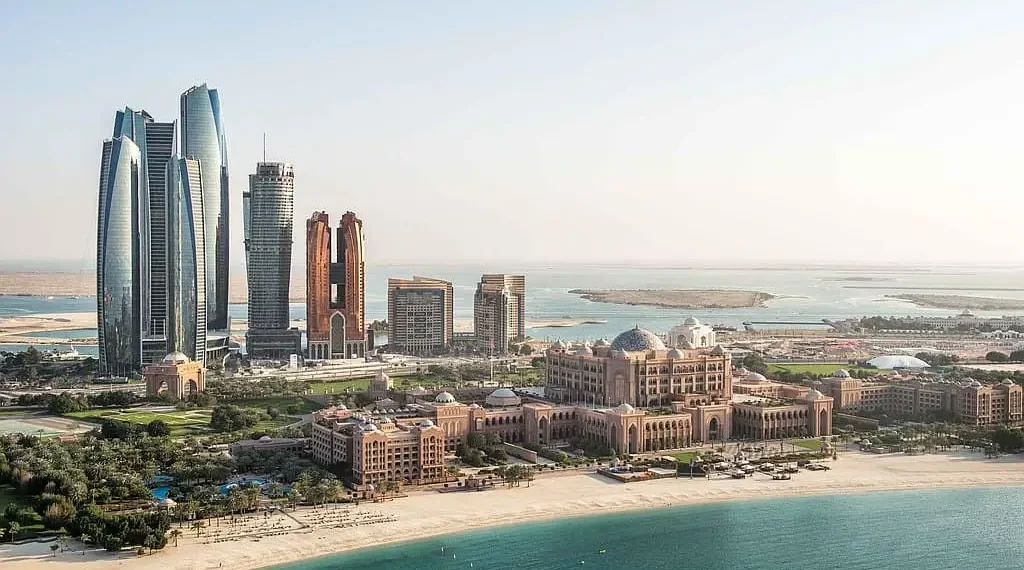
Abu Dhabi is a hotel market that may appear calmer than Dubai at first glance, but in reality it demands a higher level of operational discipline. Luxury here is not about spectacle – it is about control. Guests arrive with clearly defined expectations: business and MICE travelers, diplomatic guests, regional weekend escapes, and premium leisure driven by Yas Island and the cultural districts of Saadiyat. As a result, mistakes are rarely perceived as isolated incidents – they are read as signals that a hotel does not truly belong to the premium segment it claims to represent.
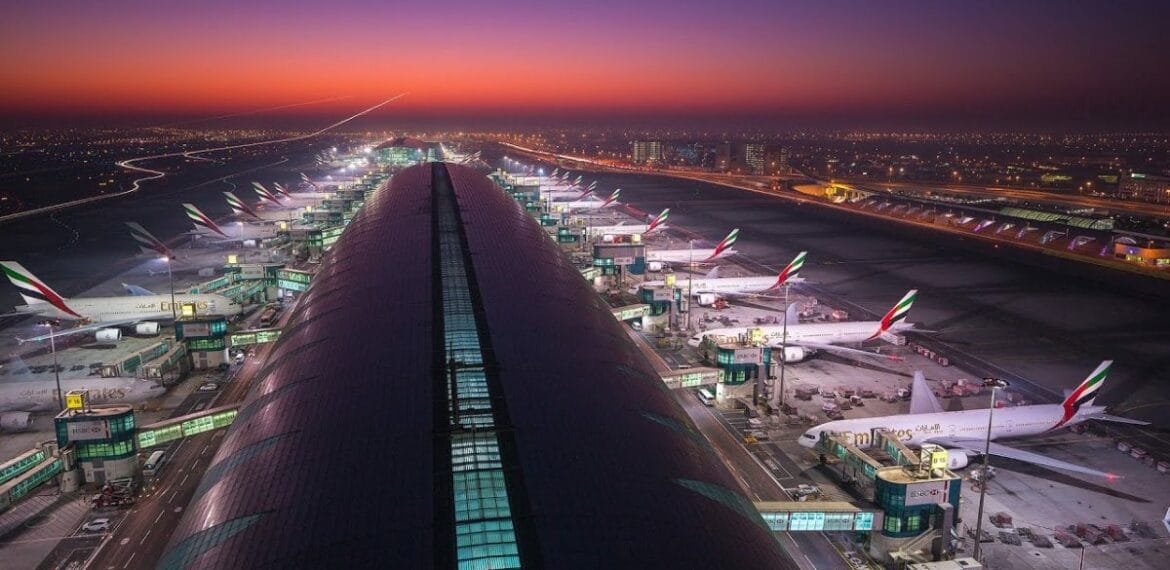
Dubai is not just a global aviation hub. Dubai is one of the largest daily rest bases for airline crews in the world. From the perspective of Hotel Audit X10, this is a market with its own logic, its own KPIs, and rules that have very little in common with classic hospitality storytelling.

Alpine ski resorts in Italy, Austria, and Switzerland have represented the pinnacle of premium hospitality for decades. Infrastructure is world-class, natural resources are unique, and pricing often sits at the very top of the European market. Yet in such a competitive environment, it has become clear that differentiation no longer lies in star ratings or the number of ski slopes, but in a resort’s ability to manage seasonality, added value, and the entire guest journey
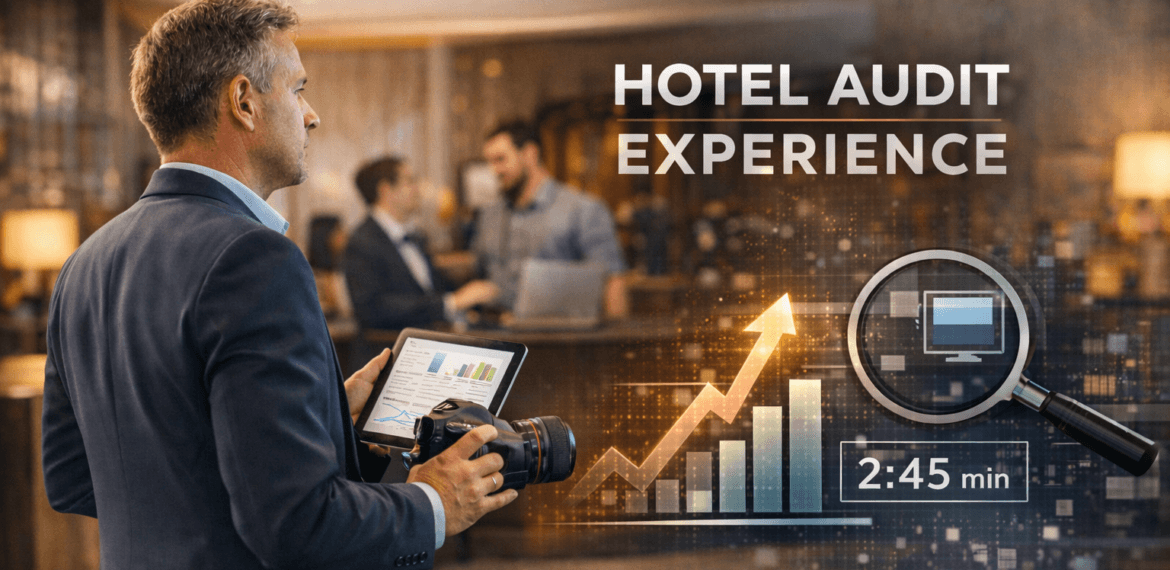
In the age of artificial intelligence, hotel auditing has never been more precise, faster, or analytically deeper. AI engines such as the Hotel Audit X10 Experience application can now process 1500+ structured checkpoints, benchmark a hotel against dozens of reference models, and clearly identify where systems are not functioning optimally – all within just a few minutes. Yet despite this technological power, the auditor remains the key figure in the entire process. Not as a passive observer of data, but as someone who truly understands the hotel from the inside.

At a moment when the global tourism landscape is seeking elite and haute-luxe experiences, Dubai stands out as one of the most dynamic and ambitious hotel markets in the world. Tourism here is no longer just a service – it is a business engine driving economic growth, investment, and innovation.

Dubai today is not just a tourist destination. It is a carefully constructed lifestyle ecosystem where luxury, architecture, hotels, and people merge into content that travels the world daily through social media. Instagram, TikTok, and YouTube have become the primary distribution channels of Dubai’s image, with influencers acting as its most powerful ambassadors.