



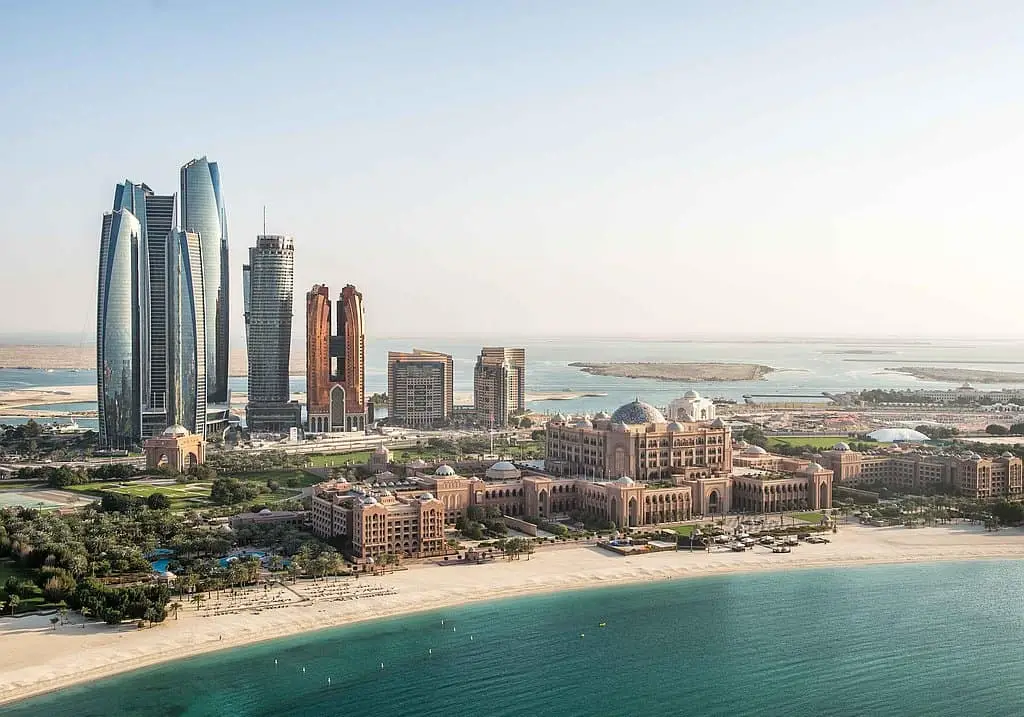
Abu Dhabi is a hotel market that may appear calmer than Dubai at first glance, but in reality it demands a higher level of operational discipline. Luxury here is not about spectacle – it is about control. Guests arrive with clearly defined expectations: business and MICE travelers, diplomatic guests, regional weekend escapes, and premium leisure driven by Yas Island and the cultural districts of Saadiyat. As a result, mistakes are rarely perceived as isolated incidents – they are read as signals that a hotel does not truly belong to the premium segment it claims to represent.
In this environment, hotels are not competing with just a handful of neighbors. They are competing with dozens of properties in the same category, offering very similar features: pools, spas, fitness centers, breakfast, parking, and complimentary WiFi. When amenities become standardized, differentiation no longer comes from what a hotel has, but from how it performs – in a rhythm that feels natural, efficient, and elegant to the guest.
Abu Dhabi in numbers – pressure that does not show in photos
One of the key reasons Abu Dhabi requires an audit-driven approach is traffic. Zayed International Airport and the wider Abu Dhabi Airports network continue to record strong growth, with more than 15.8 million passengers in the first half of the year alone. This is not just a statistic – it is a constant flow of arrivals that creates check-in and check-out peaks, demands flawless transport coordination, clear wayfinding, and a perfectly synchronized front office operation.
Another major demand driver is Yas Island. Throughout the year, it attracts tens of millions of visitors, with hotels operating at high occupancy levels and experiencing pronounced seasonal peaks. In such conditions, hotels cannot afford improvisation. When occupancy is high, even a small operational flaw quickly escalates from a minor issue into a systemic problem, multiplied by hundreds of guests each day.
The third factor is the event-driven nature of the market. Congresses, exhibitions, and major sports and entertainment events create periods when ADR and RevPAR surge, and guest expectations become less flexible. These are the days when revenue losses cannot be recovered later. Every missed upgrade, every unsold higher room category, and every misjudged operational decision translates directly into lost revenue.
Why traditional audits fall short here
Traditional audits often stop at describing the state of things: clean, tidy, friendly, acceptable. Abu Dhabi is a market where “good” does not justify premium pricing, and “friendly” is insufficient if the guest is waiting. Hotel Audit X10 focuses on what guests actually buy – speed, consistency, and reliability of the experience – through more than 250 structured checkpoints and a scoring logic that clearly shows where hotels lose points and where they lose money.
In Abu Dhabi, losses rarely come from big failures. They usually come from small details that repeat themselves.
Five areas where Abu Dhabi hotels most often lose revenue
The first is arrival and check-in logic. When flight arrivals, group check-ins, or event flows overlap, the front desk must function like a control tower. If processes are not optimized, queues form quickly and the perception of premium quality drops even faster. Hotel Audit X10 measures speed, clarity, role distribution, and the sense of control guests experience in the first minutes of their stay.
The second is the “silent luxury” standard of the room. Abu Dhabi guests prioritize peace, stable temperature, silence, high-quality sleep, and uncompromised bathrooms. Housekeeping is not a cost here – it is revenue insurance. Micro-issues in cleanliness, material fatigue, or inconsistent standards between rooms directly impact ratings and willingness to pay.
The third is breakfast and F&B consistency during peak hours. Guests remember pace of replenishment, cleanliness, and flow. When capacity is full, quality must not collapse. Audit X10 maps guest movement, bottlenecks, and team behavior during the most demanding hours of operation.
The fourth is spa and pool operations treated as a standard, not an add-on. The evaluation is not about having these facilities, but about execution: availability, calmness, acoustics, hygiene, towels, changing areas, and staff discipline – especially during peak periods.
The fifth is the digital guest journey. Abu Dhabi is a market of shorter stays and tightly planned schedules. Guests expect fast, secure, and clear communication before arrival, during the stay, and after departure. Audit X10 assesses the entire chain – from pre-arrival information and upsell logic, through in-stay communication, to post-stay reputation management.
Three micro-markets, three different audit priorities
Downtown demands speed and operational precision. There is little tolerance for slow check-ins, unclear signage, or inefficient business flow.
Yas Island requires excellence under peak conditions. Rhythm, family and entertainment flows, shuttle logistics, and the ability to maintain standards at very high occupancy levels are critical.
Al Maryah and Saadiyat represent quiet premium. Guests here buy space, calmness, and a sense of flawless execution – everything must be fluid, discreet, and perfectly synchronized.
Conclusion – Abu Dhabi does not reward average performance
Abu Dhabi is a market where premium status is not built through campaigns, but through the repeated execution of perfectly delivered details. When competition is intense, offerings are similar, and demand fluctuates through events and seasonal peaks, an audit stops being a document and becomes a management tool.
If you want your hotel to be audited using the AI driven Hotel Audit X10, contact us at [email protected] and turn luxury from perception into a system – and a system into measurable results.