



At the hotel reception desk, everything looks the same.
Two guests arrive at the same time. Both have a three-night reservation. Both paid the same rate. Both are satisfied with their room.
But one of them is a loyalty member.
In most hotels, that information remains just a data point in the system.
In serious hotels – it is a trigger for revenue activation.
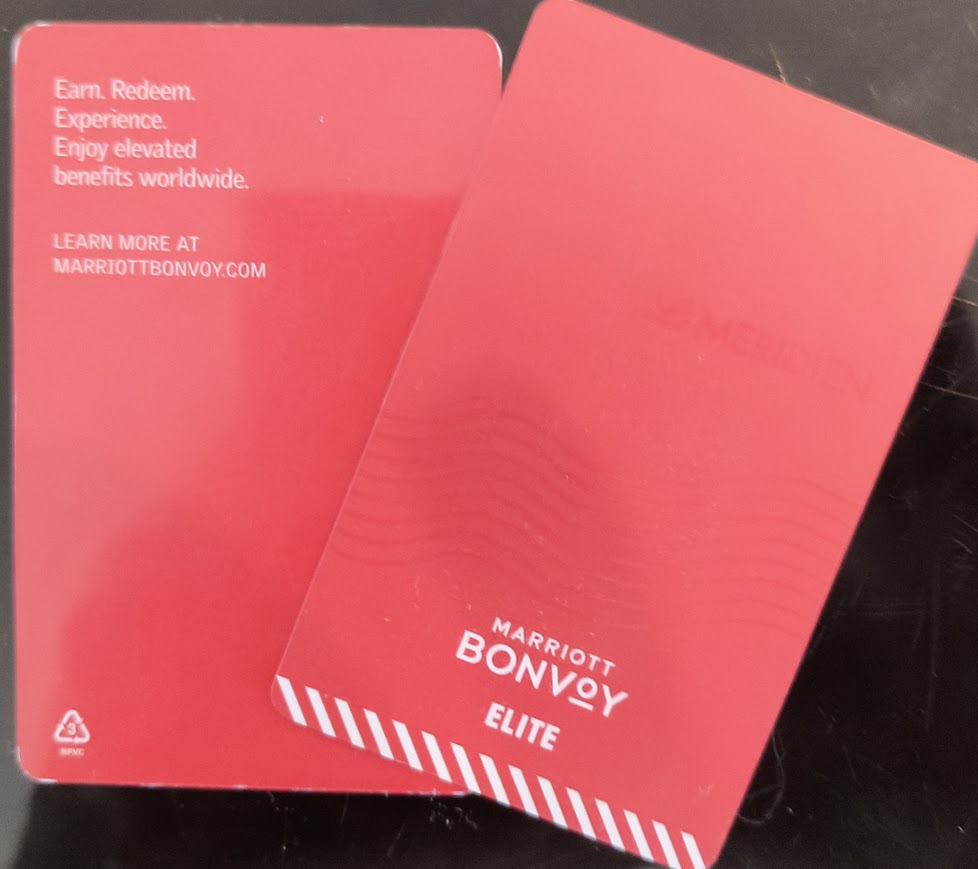
All it takes is a look at a red card like Marriott Bonvoy Elite. It is not just a piece of plastic. It is a visible symbol of a system that recognizes the guest, tracks their value, and rewards their behavior. It represents infrastructure powered by data, CRM integration, revenue strategy, and operational discipline.
In 2026, loyalty is no longer a marketing add-on or a “points program.” It is operational infrastructure that defines how well a hotel understands its guests – and how effectively it converts experience into long-term value.
The problem is that many hotels treat loyalty symbolically. The card exists. The status exists. Sometimes there is even a small welcome benefit.
But the system does not exist.
When analyzing the loyalty segment, Hotel Audit X10 does not ask whether a hotel has a loyalty program. It asks whether that program generates measurable profit.
Because the real difference is not created through communication – but through implementation.
If a loyalty guest does not receive a personalized pre-arrival email, if the front desk does not recognize their status without searching the screen, if an upgrade remains theoretical, and if the F&B team is unaware they are serving a high-value guest – then loyalty is not a strategy. It is decoration.
Serious hotels use loyalty as a tool to increase direct bookings. The member receives a reason to book direct. They receive differentiated value. They feel a sense of belonging.
But more importantly – the hotel receives data.
And data is today’s most valuable currency.
When loyalty is integrated with the booking engine, CRM, F&B offerings, and upsell strategy, an entirely different business model emerges. The hotel can segment guests based on lifetime value, target personalized offers, optimize pricing, and increase average spend without increasing acquisition costs.
An elite guest who is not targeted with a personalized offer represents lost revenue.
A hotel that does not measure repeat ratio within the loyalty segment is not managing long-term stability.
A hotel that does not use loyalty to drive cross-sell in spa, restaurants, or ancillary services is leaving money on the table.
In the premium market segment, the difference between an average hotel and a top-performing one increasingly lies not in design or location. It lies in systems.
Loyalty is a system.
It is infrastructure that enables predictable revenue, more stable cash flow, and reduced dependency on OTA channels.
That is why Hotel Audit X10 evaluates loyalty as a revenue driver, not as a communication tool. It measures direct booking uplift, upsell conversion within the loyalty segment, average spend of elite members, and the long-term financial multiplier.
Ultimately, the question is not how many members a hotel has.
The question is how capable the system is of converting their loyalty into profit.
Because a guest holding a red elite card does not expect points.
They expect a system.
And a system is what separates an average hotel from a strategically led hospitality company.
A returning guest is never a coincidence.
It is the result of strategy.
And strategy begins with infrastructure.